
Juneau Fishing Species & Seasons
What's biting and when. A month-by-month and species-by-species guide to fishing the waters around Juneau, Alaska.
Timing Your Trip
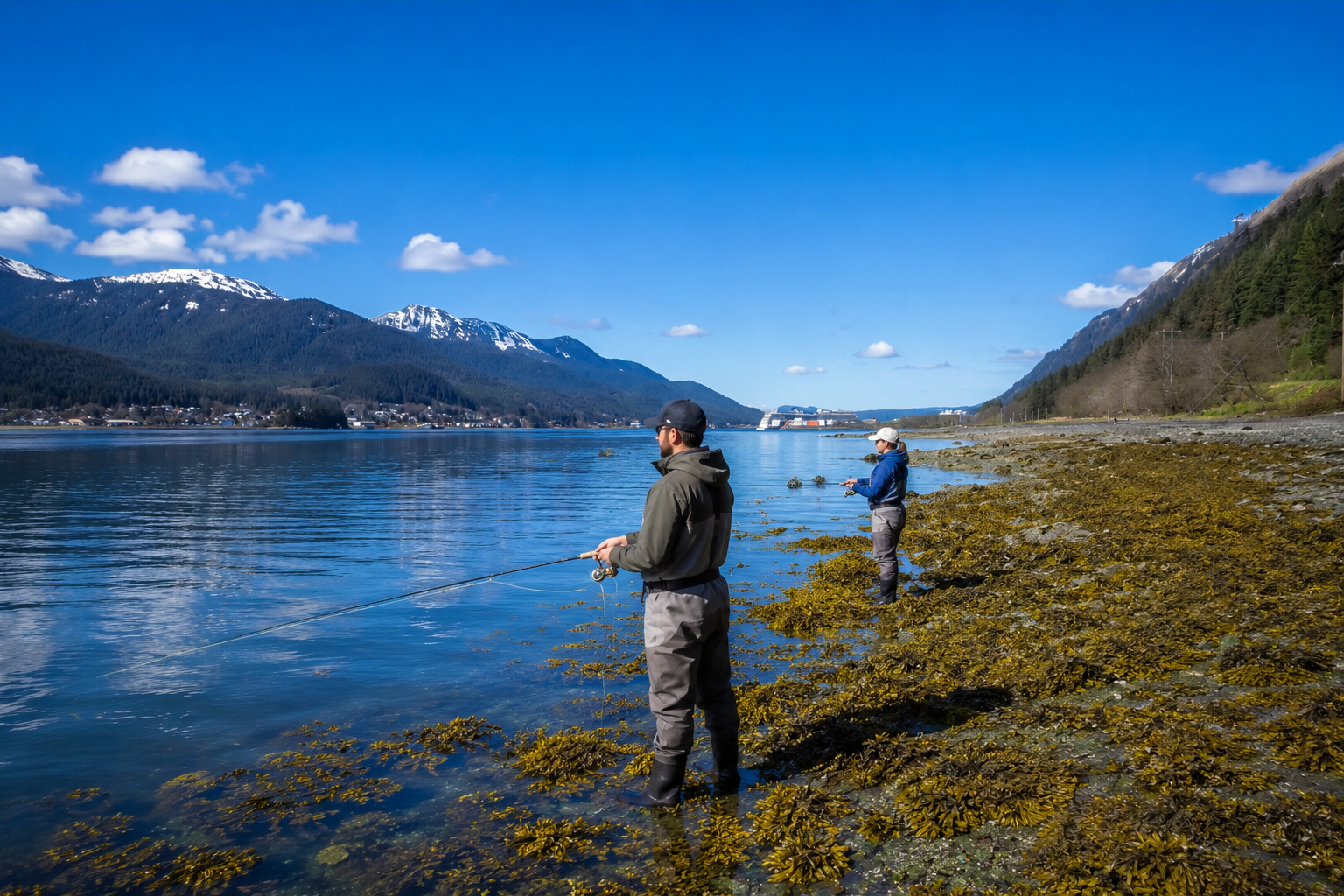
Juneau sits in Northern Southeast Alaska, and the fishery here is built around the Pacific salmon runs that move through from May through October. Five species of salmon return to spawn — kings, sockeye, pinks, chums, and silvers — and they arrive in roughly that order through the summer. Around them, sea-run Dolly Varden char and sea-run cutthroat trout feed aggressively in estuaries and lower rivers, taking advantage of the salmon eggs and fry. Steelhead show up in spring for those willing to chase them, and resident trout populations live in some of the higher streams year-round. Starry flounder hold in shallow saltwater and estuaries through summer — a species the offshore charters don't catch.
Dialed Outdoor specializes in fly fishing but provides spinning gear for clients who'd rather use it. The species below can be targeted on either, with technique notes where it matters.
If you're trying to time a trip, the short answer is: June, July, and August are peak. Earlier than that and you're chasing kings on a narrow window. Later and you're targeting silvers, which are arguably the best fish of the year if you can plan around fall weather.
The longer answer is below — by month, then by species.
A Note on Shoulder Seasons
Summer is peak season in Juneau, but Dom guides beyond it for clients willing to look past the cruise ship schedule. Shoulder season fishing in Southeast Alaska is slower, quieter, and — for the right angler — often better. If you're interested in fishing outside the summer window, reach out. There's more water available, fewer people on it, and fish that haven't seen pressure in months.
Month-by-Month Breakdown
■
-
What's running: First king salmon returning to the Juneau road system. Steelhead in their spring window on a few specific streams. Sea-run Dolly Varden starting to move.
What it's like to fish: Cool, often wet, fewer crowds. Days are long and getting longer fast. Water can be high from snowmelt depending on the year.
Best for: Anglers who want shoulder-season conditions and a shot at early kings or steelhead. Not the right month for a beginner who wants high-action numbers.
What we target: Kings on saltwater shoreline and at creek mouths. Steelhead where and when conditions allow. Dollies where they're showing up.
-
What's running: King salmon — the main run. Sockeye starting late month. Pinks beginning to appear in salt water. Dolly Varden building in numbers, sea-run cutthroat trout active.
What it's like to fish: Excellent. Long days (sunrise around 4am, sunset after 10pm), generally settled weather, fish moving through.
Best for: Trophy-minded anglers (kings) and trip planners who want the most active month with the widest variety of options.
What we target: Kings at the mouth of Fish Creek and along DIPAC, sockeye where regulations allow, Dollies in the streams, cutthroat in estuaries.
-
What's running: Pinks (the dominant species this month — runs are massive), chums, sockeye, the tail end of the king run. Silvers starting to appear late month. Dollies and cutthroat keyed in on salmon eggs.
What it's like to fish: This is peak season. Streams are loaded. Pink and chum salmon are clogging the lower rivers near the saltwater. Sea-run Dolly Varden are stacked behind spawning salmon eating eggs. Action is high, technique can be casual, and beginners crush it this month.
Best for: Cruise passengers, families with kids, beginners, anyone wanting to feel fish on the line repeatedly.
What we target: Pinks and chums on streamers or spin lures in lower rivers and creek mouths. Dollies on egg patterns behind the salmon. Cutthroat in estuaries on small flies.
-
What's running: Silvers (coho) — the best-fighting salmon of the year — start moving in numbers. Pinks taper through mid-month. Chums still active. Dollies feeding hard.
What it's like to fish: Still excellent. Weather starts to shift toward fall by late month. Days getting noticeably shorter. Streams are crowded with spawning fish.
Best for: Anyone — but especially anglers who want a shot at silvers, which fight harder than kings pound-for-pound and take a fly or spinner aggressively.
What we target: Silvers in saltwater and lower rivers, pinks and chums in fresh water, Dollies on eggs and small streamers.
-
What's running: Silvers are peak through mid-month. Chums tapering. Dollies still feeding. Cutthroat moving back to overwintering water.
What it's like to fish: Cooler, often wetter, fewer tourists, beautiful light. Fall colors moving in. Fish are aggressive and well-fed.
Best for: Anglers chasing silvers specifically, photographers, anyone who likes the moodier shoulder-season feel.
What we target: Silvers as the priority species. Dollies and cutthroat as bycatch and dedicated targets.
-
What's running: Tail end of the silver run early month. Steelhead in some systems by late month into November in fall windows. Resident trout in higher waters.
What it's like to fish: Shoulder season turning to off-season. Weather is unpredictable, days are short, but the angling can be world-class for anglers who know what they're doing and bring their own resilience.
Best for: Dedicated anglers booking custom trips. Not a month for cruise passengers (cruise season has ended).
What we target: Late silvers, steelhead in select systems, resident fish.
-
What's running: Limited fishing. Some resident trout populations and brook trout in lakes (Salmon Creek Reservoir, Cropley Lake, Dredge Lakes). Winter fishing requires different gear, planning, and conditions tolerance.
What it's like to fish: Cold, often icy, daylight is short (sunrise after 8am, sunset before 4pm in December).
Best for: Local anglers and lessons. Most guided trips don't run during this window — but our fly fishing lessons operate year-round in the workshop, which is a great use of a winter visit.
Species-by-Species Breakdown
-
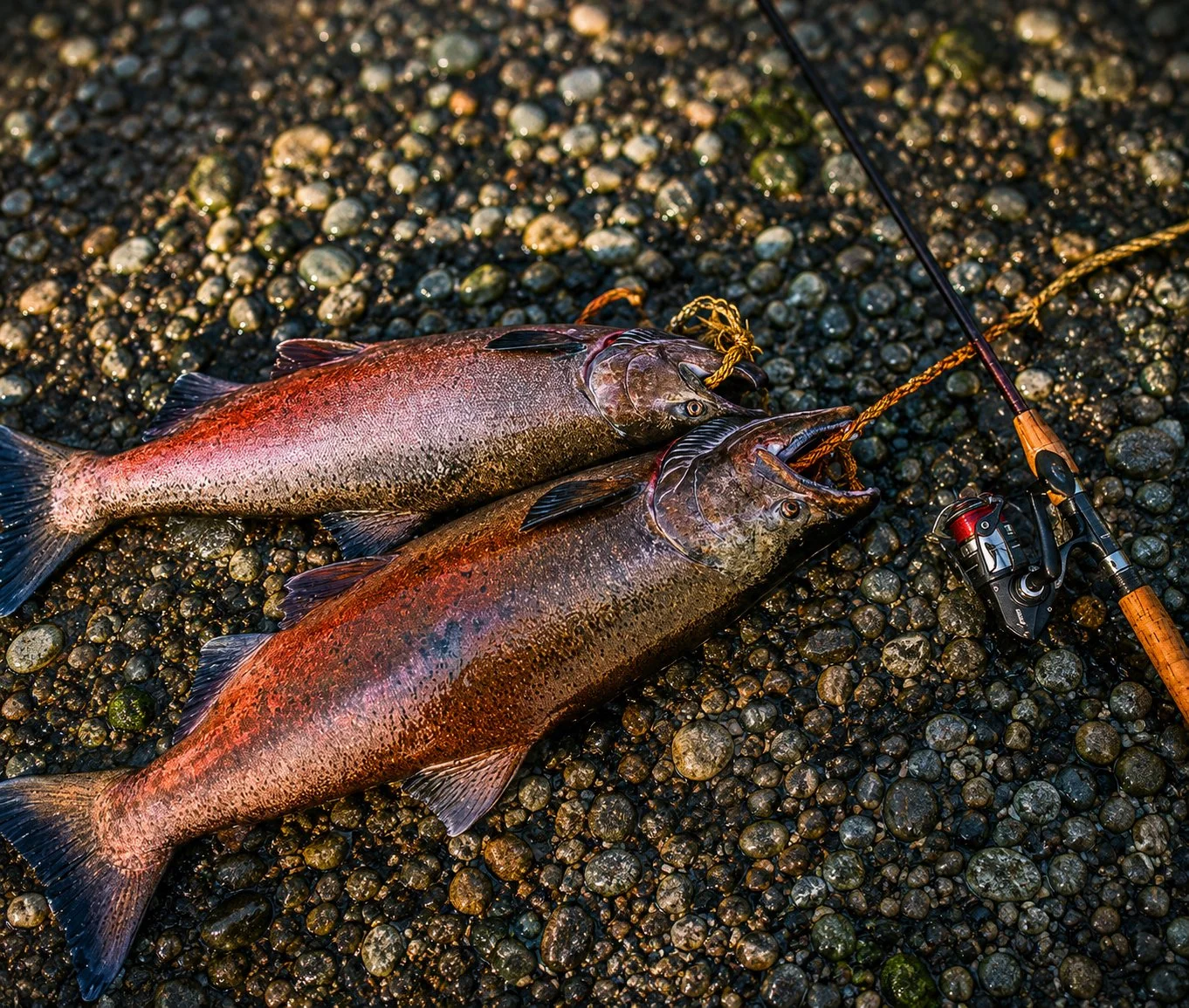
King Salmon (Chinook)
Local nicknames: Kings, Chinook
Size: Average 15–35 lbs around Juneau, with larger fish landed each year. Alaska records exceed 50 lbs.
Run timing in Juneau: Mid-May through early July, with peak in June.
Where we target them: Saltwater shoreline (especially the mouth of Fish Creek on Douglas Island and along DIPAC near the Macaulay Salmon Hatchery), and select freshwater drainages along the Juneau road system. King salmon regulations changed in 2015 — drainages crossed by the road system are now open to king fishing year-round with a 4-fish bag limit, and nonresident kings caught here don't count against annual limits.
How we target them: Heavy rods (8–10 weight on fly, medium-heavy on spin), sinking fly lines or weighted lures, large streamers or spoons. Kings are the trophy of the Juneau fishery and not a beginner's fish on either gear type. Fly fishing for kings is a specialty pursuit; spinning gear is more forgiving for first-timers chasing them.
License requirement: A king salmon stamp is required in addition to your basic Alaska sport fishing license.
-
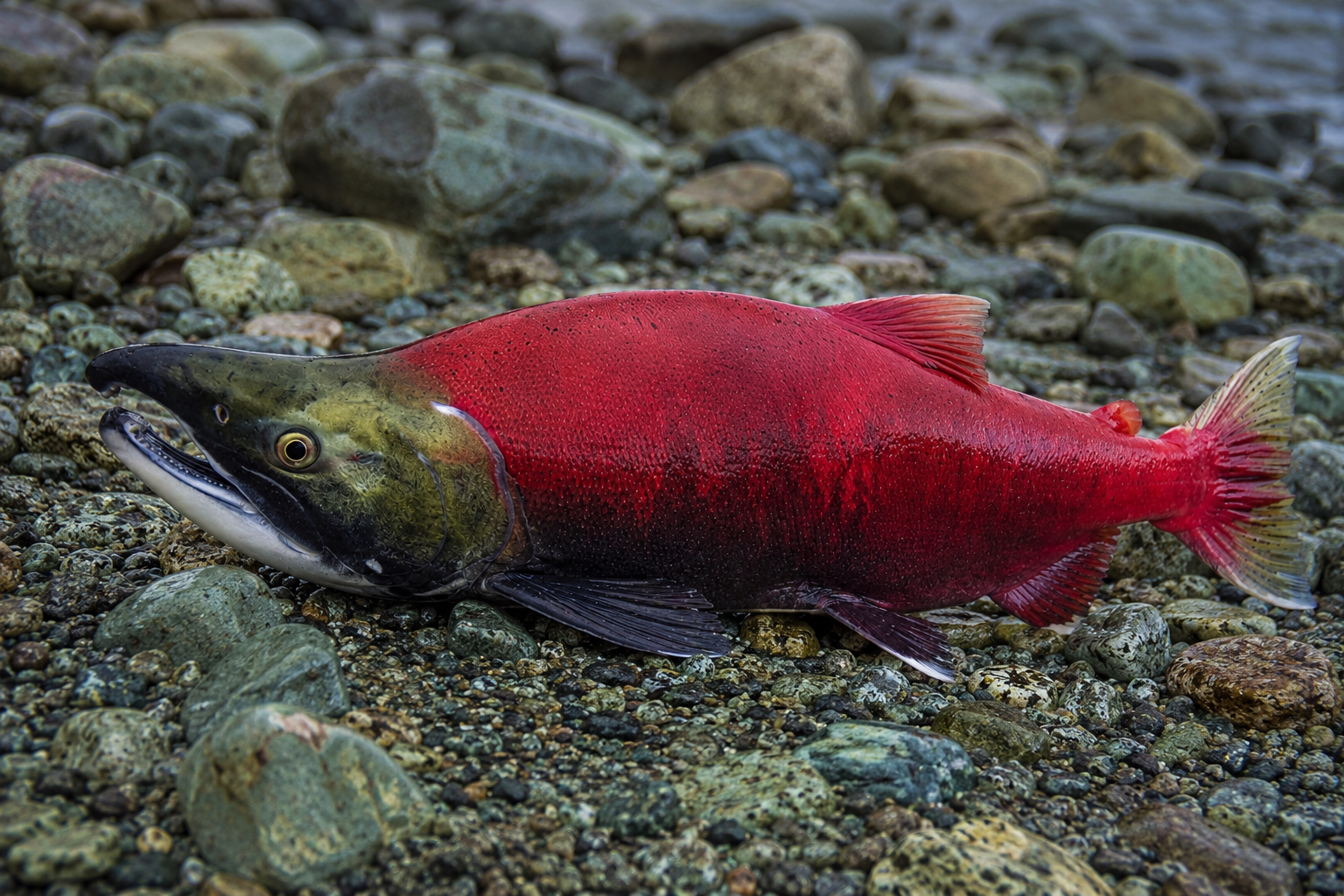
Sockeye Salmon (Red)
Local nicknames: Reds, sockeye
Size: Average 4–8 lbs.
Run timing in Juneau: Freshwater runs occur in July. Saltwater availability runs July through September but in lower numbers than other species.
Where we target them: Specific waters with sockeye runs (Windfall Creek has a sockeye fishery with seasonal restrictions). Sockeye are a regulated species — we follow current ADFG rules carefully.
How we target them: Sockeye are notoriously difficult to take on a fly because they're not feeding aggressively when they enter freshwater — they're spawning. Targeted flossing techniques work where legal. Spinning gear with the right setup can sometimes outperform fly for sockeye. They're not the most realistic primary target in Juneau, but they show up.
-
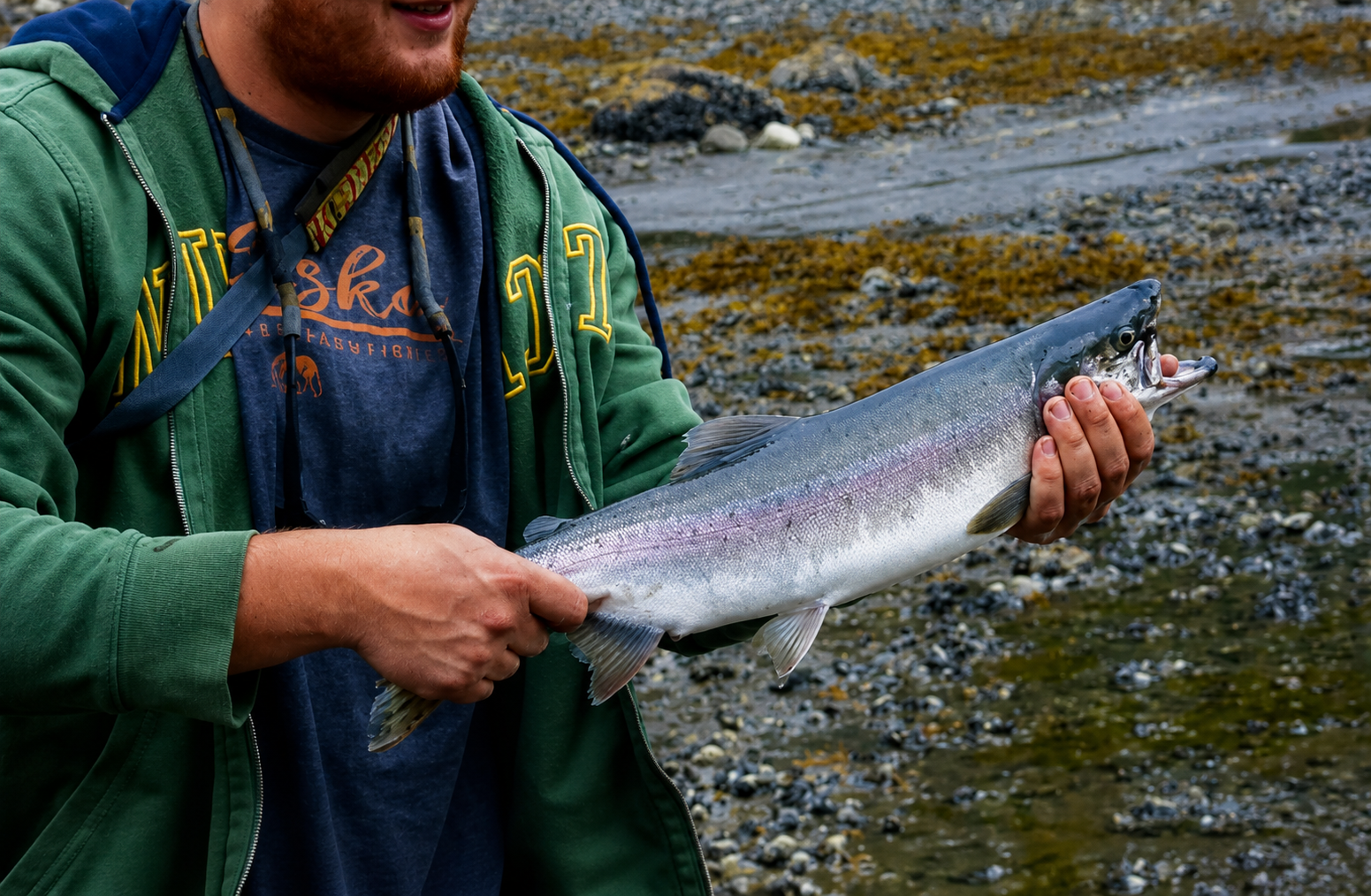
Pink Salmon (Humpy)
Local nicknames: Pinks, humpies, humpbacks
Size: 3–6 lbs.
Run timing in Juneau: Late June through August in salt water; peak July through mid-August in fresh water. Pink runs in Southeast Alaska are dramatically larger in even-numbered years — 2026 is a strong year for pinks. In odd years, runs are significantly smaller.
Where we target them: Lower rivers and creek mouths — Cowee Creek, Echo Cove, Amalga Harbor, near the Macaulay Hatchery. Salt water near stream mouths.
How we target them: Aggressive on small streamers and pink-colored flies on fly gear, or small spinners and spoons on conventional gear. Light to medium rods (6–7 weight fly, or light spinning). Pinks are the easiest salmon to catch on either rod — they'll smash flies and lures repeatedly. Best species for beginners and high-volume action, regardless of gear preference.
Eating quality: Pinks are best eaten very fresh or smoked. They don't freeze well. Most anglers release them or eat them within a day or two.
-
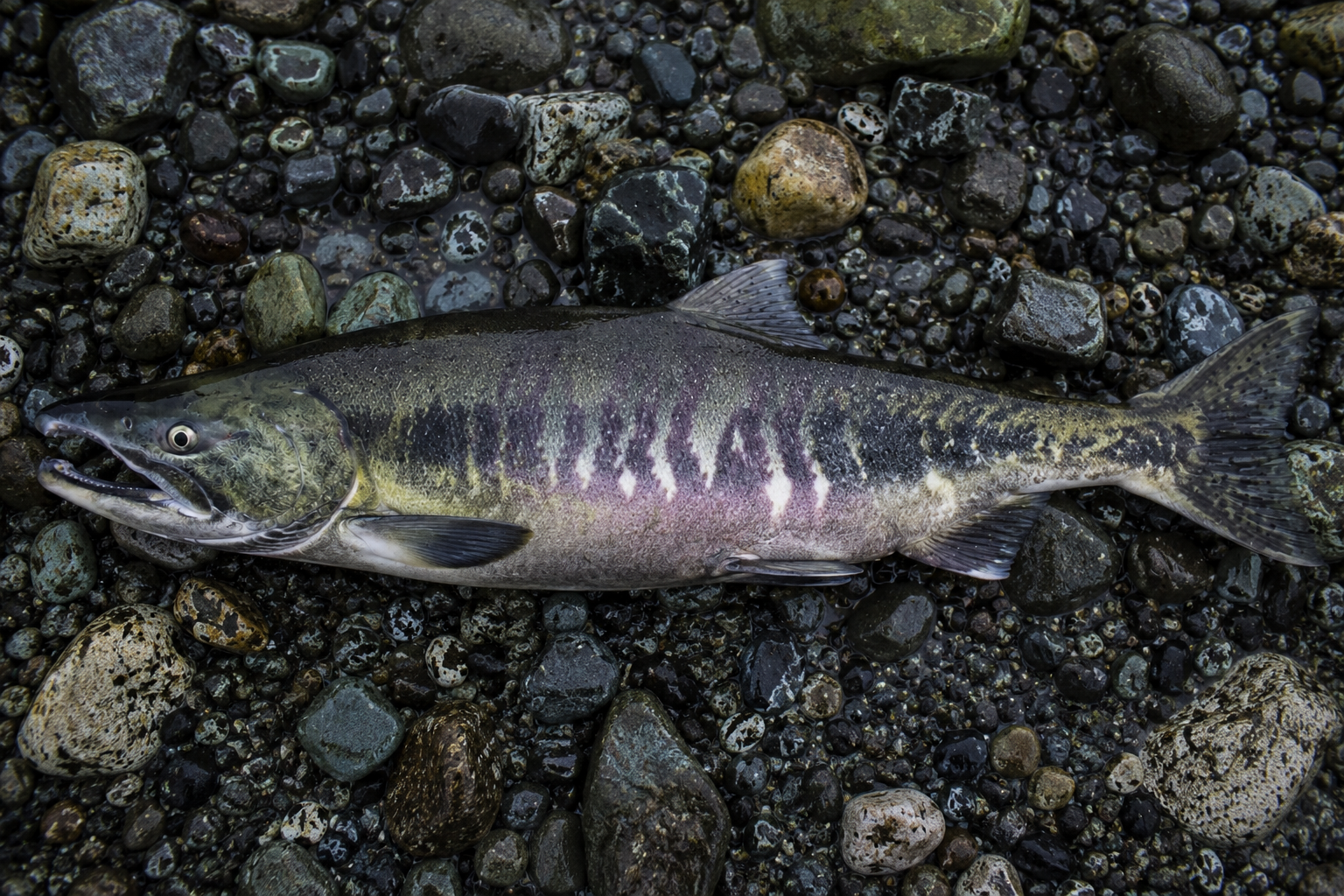
Chum Salmon (Dog)
Local nicknames: Chums, dogs (because Alaska Natives historically fed them to dog teams)
Size: 7–18 lbs, occasionally up to 30+.
Run timing in Juneau: Late July through August.
Where we target them: Lower rivers and creek mouths alongside the pinks. Sheep Creek is well-known for its chum run.
How we target them: Aggressive feeders on streamers (especially anything purple) on fly gear, or on spoons and spinners on conventional. Strong fighters, often underrated. Heavier rods recommended (7–8 weight fly, medium spinning) because they pull hard.
Eating quality: Chums are not prized as table fish, but freshly caught chum smoked is genuinely excellent. Chums are also the source of most commercial salmon caviar.
-
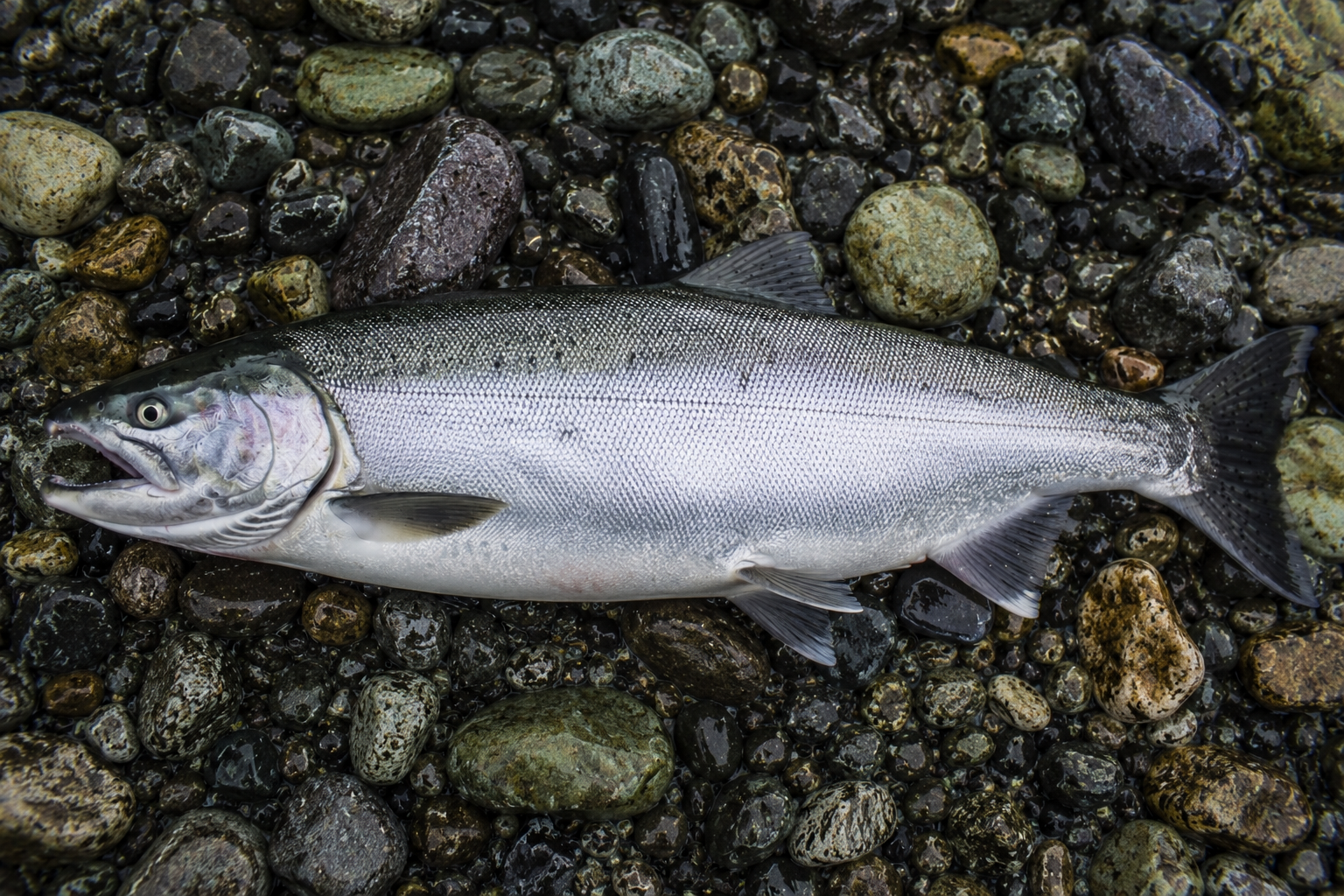
Silver Salmon (Coho)
Local nicknames: Silvers, coho
Size: 6–12 lbs typically, with larger fish common.
Run timing in Juneau: Mid-July through October, with peak in August and September.
Where we target them: Salt water shoreline and lower rivers. Auke Bay through Berners Bay sees excellent shoreline silver action in late summer.
How we target them: The favorite species for many returning clients, including ours. Silvers are aggressive, acrobatic, and hard-fighting. They take a fly or a spinner with intent. Medium to heavy rods (7–8 weight fly, or medium spinning), bright streamers or spoons, sinking or intermediate lines on fly. Late summer and fall silvers are some of the best fishing of the year in Southeast Alaska on either gear.
Eating quality: Excellent. Flaky pink meat, freezes well, smokes beautifully. Most anglers want to take a silver or two home.
-
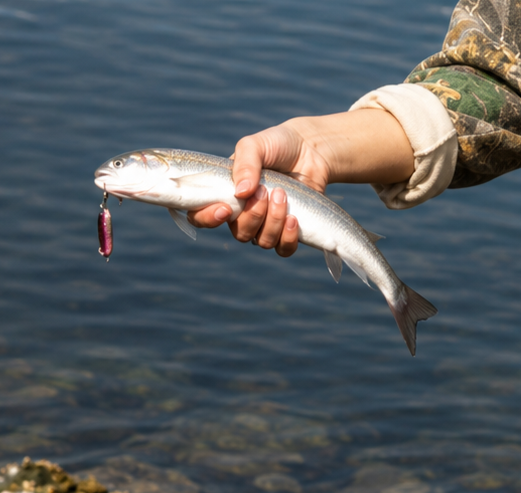
Sea-Run Dolly Varden
Local nicknames: Dollies
Size: 12–22 inches typically. Larger sea-runs are common — Dominick has taken fish over 30 inches.
Season: Active May through September. Peak feeding when salmon are spawning (July through August) — Dollies stack up behind spawning salmon and feed on eggs.
Where we target them: Cowee Creek, Montana Creek, Sheep Creek, and many smaller streams along the Juneau road system. Estuaries and beach habitat through summer.
How we target them: Dolly Varden are Dominick's favorite fish to target in Juneau — aggressive, not picky, growing to over 30 inches, and they fight like little tanks. Light rods (4–6 weight fly, or light spinning), egg patterns when salmon are spawning, small streamers and flesh flies otherwise, or small spinners on conventional gear. Dollies hit aggressively, fight well above their weight class, and are abundant.
Eating quality: Excellent — light, flaky, white meat. Dolly Varden in some waters is catch-and-release; in others harvest is legal under ADFG bag limits.
-
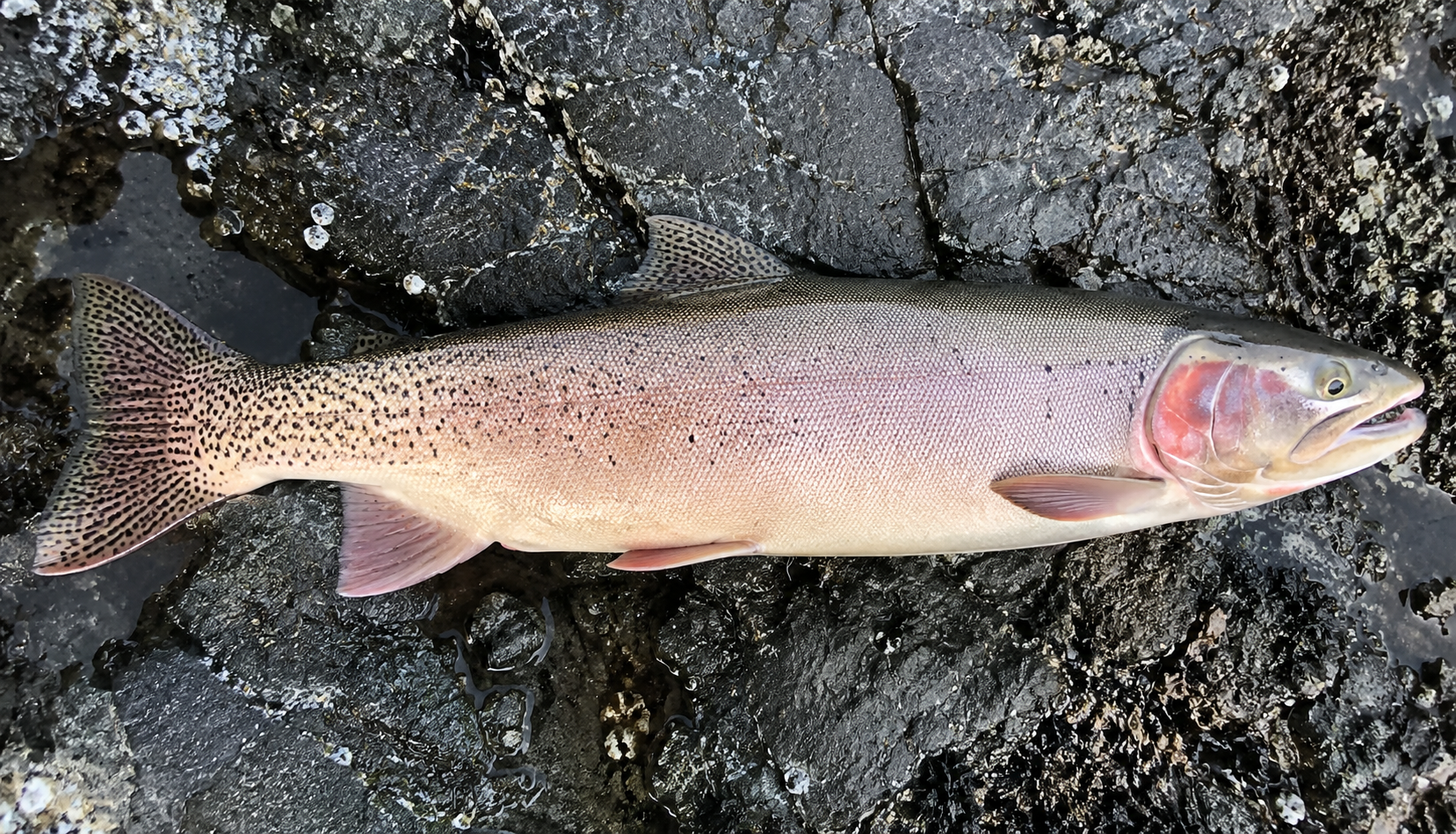
Sea-Run Cutthroat Trout
Local nicknames: Cutts, sea-runs, harvest trout
Size: 12–18 inches typically.
Season: Active May through September, especially in estuaries and lower rivers.
Where we target them: Estuaries, beach lagoons, lower stretches of road-system streams.
How we target them: Light rods (3–5 weight fly is the classic approach), small flies — sculpins, smelt patterns, and egg flies during salmon spawn. Cutthroat are smart, beautiful fish that take a well-presented fly with finesse rather than aggression. A favorite of experienced fly fishers. Spinning gear works too with small lures, but cutthroat fishing is one of the species where fly fishing really shines.
Eating quality: Most cutthroat fishing is catch-and-release.
-
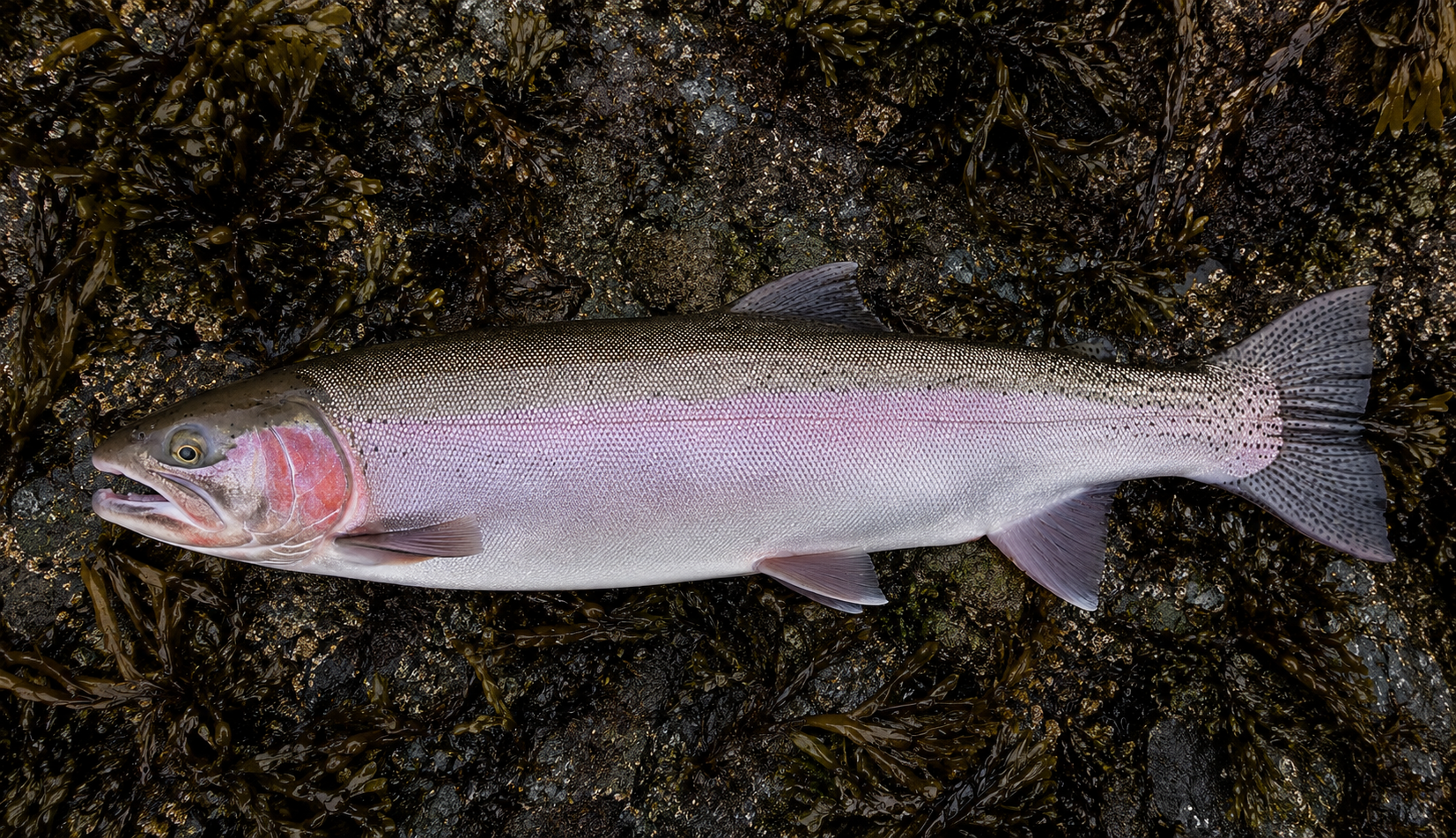
Steelhead
Local nicknames: Steelies
Size: 6–15+ lbs. Steelhead are sea-run rainbow trout — anadromous, like salmon.
Season: Spring (April–May) and a smaller fall window (October–November) in select systems around Juneau.
Where we target them: A few specific streams, with effort and luck. Steelhead populations in Southeast Alaska are not large by Lower 48 standards — these are not high-numbers fish.
How we target them: Heavy rods (7–8 weight fly), swung flies on sinking tips, classic steelhead techniques. This is dedicated fishing — we don't target steelhead on most general half-day trips. Custom full-day trips with steelhead as the goal can be arranged for the right conditions and timing. Fly fishing is the standard approach for steelhead given the catch-and-release ethic.
Note: Steelhead conservation is a serious topic in Southeast Alaska. We follow strict catch-and-release ethics on every steelhead.
-
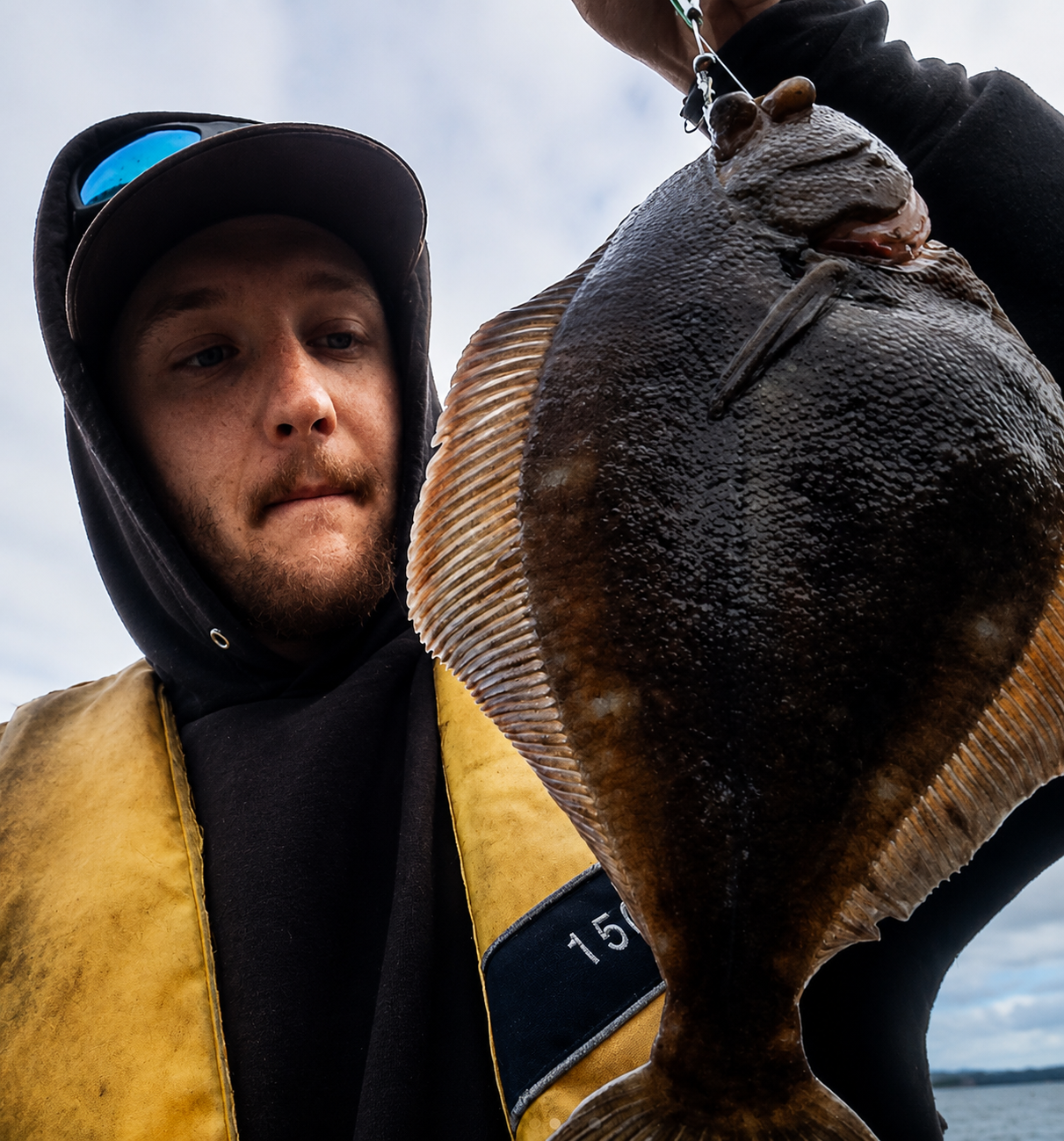
Starry Flounder
Local nicknames: Starries, flounder
Size: 1–4 lbs typically, occasionally larger.
Season: Available through summer in shallow saltwater and estuaries. Most active May through September.
Where we target them: Sandy and muddy estuary bottoms, shallow saltwater beaches, lower river mouths. Starry flounder hold on the bottom in 2–15 feet of water in protected bays and tidal flats.
How we target them: Bottom-bouncing with small jigs or weighted streamers, or natural bait where legal. Light rods (4–6 weight fly with sinking line, or light spinning). They're not subtle — when a starry hits, you know — but they're a different style of fishing than the salmon-and-trout focus of most trips, more methodical and exploratory.
Why this matters: Starry flounder is one of the species the offshore charter boats don't catch — they're a shallow-water, wade-accessible fish. If you've fished Alaska before and want to target something you can't get anywhere else, this is one to ask about. Especially fun for kids and beginners because they're abundant and willing.
Eating quality: Excellent — mild, white-fleshed, flakes nicely when cooked. Bag limits set by ADFG.
-
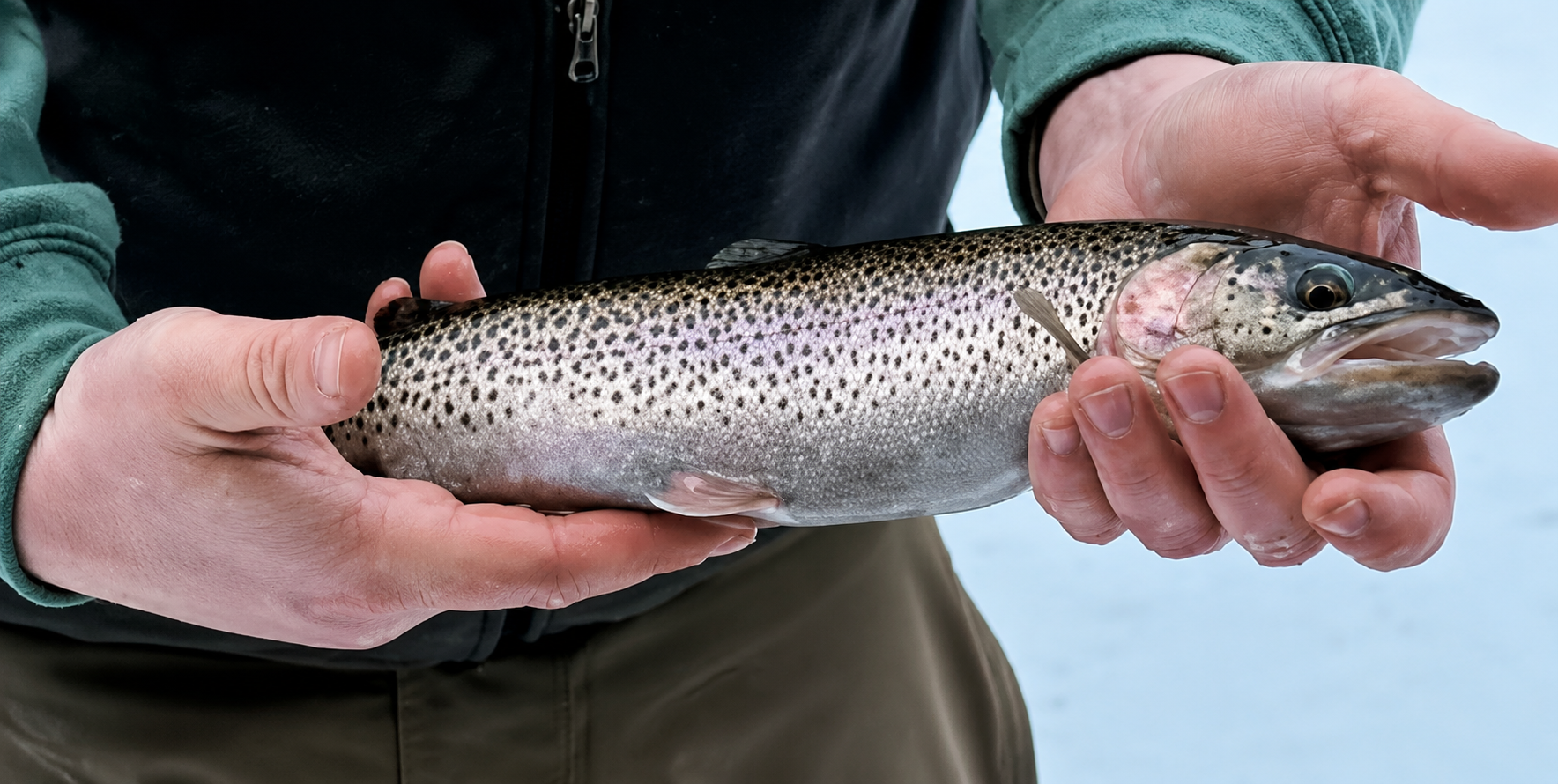
Resident Trout (Year-Round)
Several lakes and streams along the Juneau road system hold resident rainbow, cutthroat, and brook trout populations — fish that don't run to the ocean. Cropley Lake, Salmon Creek Reservoir, Dredge Lakes, and the upper sections of Peterson Creek are notable. These are smaller fish (6–12 inches typically), but they're available year-round and offer fishing in the off-season when nothing else is running.
-
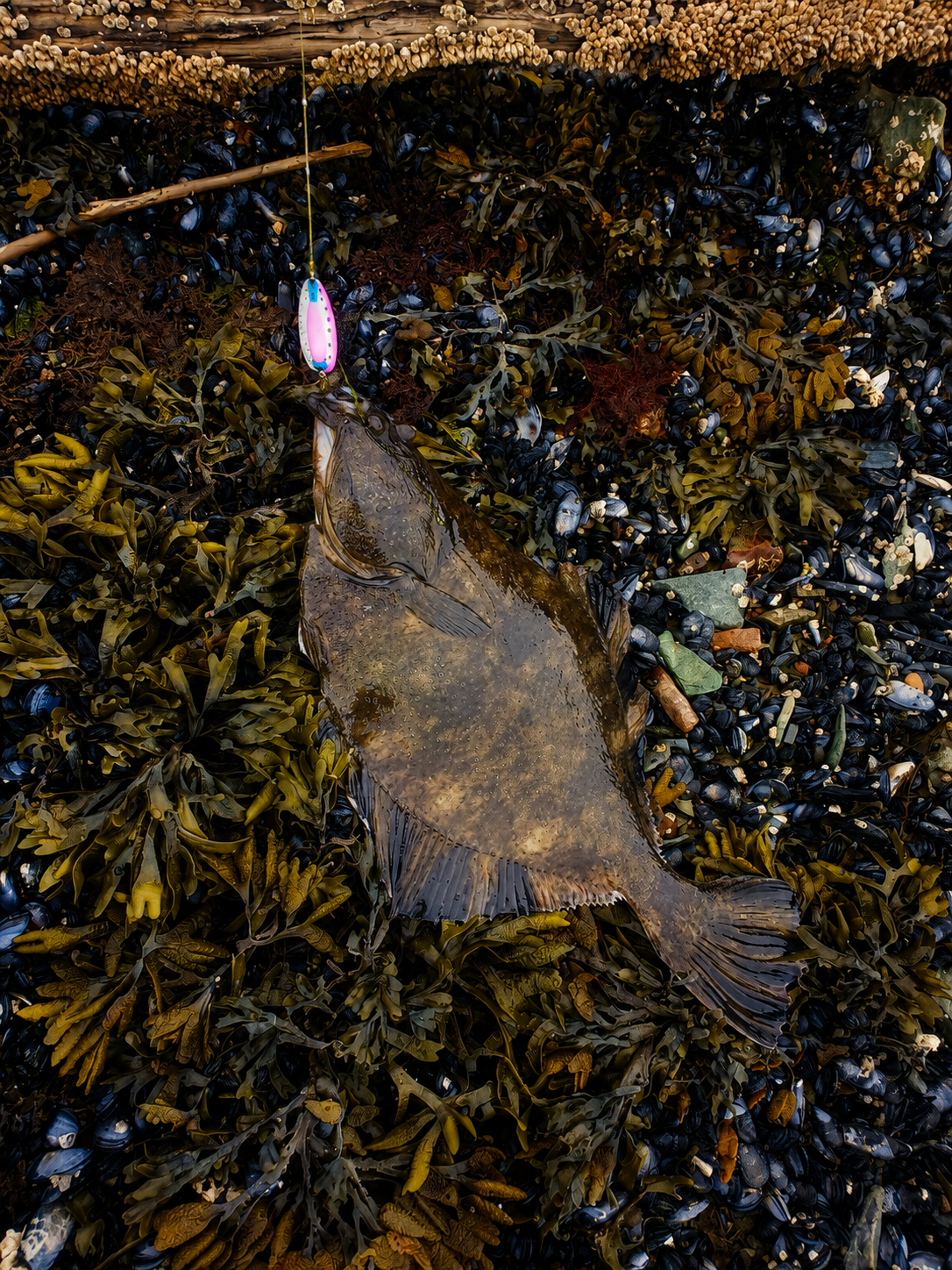
Halibut, Lingcod, Rockfish
Saltwater bottom fish — halibut, lingcod, rockfish — are the target species for the offshore charter boat industry around Juneau. We don't target them. They're caught from boats in deep water, with conventional heavy tackle, and they don't fit our wade-based guided fishing approach. If you want offshore halibut, book one of the offshore charter operators in Auke Bay. If you want wade-based guided fishing for salmon, trout, char, starry flounder, and other shoreline species — fly or spin — you're in the right place.
Ready to plan your trip?
Pick the month or species that matches your trip and we'll build the day around it. Fly or spin — your call.
Half-Day Guided Fishing Trip → — best for cruise days and quick action months (July–August)
Full-Day Guided Fishing Trip → — best for chasing specific species and conditions
Fly Fishing Lessons → — year-round, indoor, beginner-friendly
Cruise Ship Fishing Excursion → — half-day fishing built around your port day